The Thrill of the Game
One of the primary reasons individuals are drawn to casinos is the innate thrill that comes with gambling. The excitement of placing a bet and potentially changing one’s fortune in a matter of seconds is intoxicating. The clatter of coins, the flashing lights, and the buzz of activity combine to create an electric atmosphere where hope and possibility reign supreme. This anticipation for games like payid pokies can be a significant rush, driving players to take risks they might avoid in their everyday lives.
Moreover, the unpredictability of gambling adds to its allure. Unlike many other forms of entertainment, the outcome of a game in gambling is not only uncertain but also can change dramatically with each decision made. This element of chance can be addictive, as players often fantasize about the ‘big win’ that could erase their worries or provide them with an extravagant lifestyle. The emotional highs and lows experienced at the gaming tables provide a roller-coaster experience that many find irresistible.
Additionally, casinos often employ psychological tactics to enhance the gaming experience. From the way games are designed to encourage repeated play to the use of complimentary drinks and lavish amenities, every detail is crafted to keep players engaged and coming back for more. This strategic environment creates a sense of belonging and excitement among patrons, contributing to their willingness to gamble despite the slim chances of winning.
The Social Aspect of Gambling
Casinos represent more than just venues for gambling; they are social hubs where people come together to socialize and forge connections. The communal experience of playing games or participating in events creates a sense of camaraderie among players. Whether it is cheering on a friend at the blackjack table or engaging in friendly banter with fellow patrons, the social environment is a major draw for many individuals. This social interaction can serve as a welcome escape from the mundane routines of daily life.
In many cases, groups of friends or families visit casinos together, enhancing the fun of the gaming experience. Shared victories or collective losses can strengthen bonds and create memorable moments. Even casual spectators enjoy the thrill of watching others play, adding an interactive layer to their visit. This community spirit often transforms the gambling experience into a celebration, rather than a mere pursuit of monetary gain.

Furthermore, events like tournaments, themed nights, and live entertainment within casinos enhance their appeal as social venues. Many casinos host concerts, shows, and special events, drawing both gamblers and those who appreciate live performances. This blend of entertainment options promotes an inclusive atmosphere, where individuals from different walks of life can come together, further enticing visitors to flock to these establishments.
The Illusion of Control
Many players are drawn to the belief that they can influence the outcome of a game through skill or strategy. This illusion of control is particularly prevalent in games like poker, where player decisions can shape the course of the game. Individuals often find solace in the idea that their knowledge and experience can yield better results, leading them to take risks they might avoid in other contexts. Success in these situations can serve as a validation of their skills, reinforcing their commitment to continue playing.
This sense of control is not limited to skill-based games. Even in games of pure chance, players create narratives around their decisions. For instance, a gambler may believe that wearing a particular outfit or following specific rituals can impact their luck. These beliefs can enhance the gambling experience, as players feel more connected to their fate, increasing their willingness to engage with the games despite the inherent risks involved.
However, this illusion can also lead to problematic behavior. The notion that one can consistently beat the odds can result in unrealistic expectations and an underestimation of the risks associated with gambling. By promoting a false sense of control, the gaming industry may inadvertently encourage individuals to wager more than they can afford, ultimately leading to negative consequences. It highlights the fine line between enjoyment and addiction that many gamblers navigate.
Escapism and Entertainment Value
For many, casinos offer a temporary escape from the stresses of daily life. Whether facing personal challenges, work-related pressures, or financial struggles, individuals often turn to gambling as a distraction. The immersive environment of a casino allows players to forget their troubles, if only for a short time. The combination of bright lights, engaging sounds, and the thrill of risk can create a euphoric experience that feels liberating.
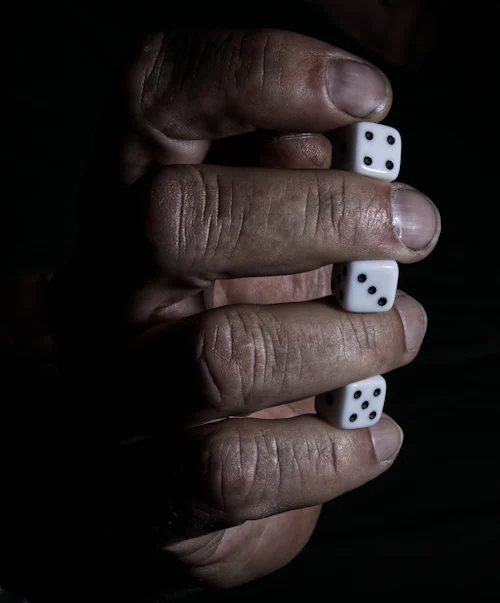
In addition to being an escape, casinos also provide a unique form of entertainment. The variety of games and the potential for excitement keep patrons engaged and entertained. Unlike traditional forms of entertainment, such as movies or concerts, gambling offers the chance for players to interact and participate actively while also securing the possibility of a financial reward. This dynamic engagement can be far more appealing than passive entertainment options.
Moreover, many casinos are designed as complete leisure destinations, incorporating dining and shopping experiences alongside gaming. This multifaceted approach attracts a broader audience, turning a night at the casino into a full-fledged outing. By offering diverse activities, casinos cater to varying preferences, further enhancing their attractiveness as places to visit despite the underlying risks associated with gambling.
Find the Right Balance
Understanding the complex reasons behind the allure of casinos is essential for individuals who wish to engage in gambling responsibly. Awareness of the psychological, social, and entertainment aspects can lead to more informed choices, allowing individuals to enjoy the experience without falling into problematic behaviors. Setting limits on time and money spent is crucial to ensure that gambling remains a source of fun and not a cause of distress.
For those who may find themselves struggling with gambling addiction, various resources are available to help. Organizations provide support and guidance, helping individuals navigate their challenges and encouraging healthier gambling habits. Knowing when to seek help is vital for maintaining a balanced and rewarding relationship with gambling.
Ultimately, casinos can be enjoyable venues when approached mindfully. By understanding the motivations behind gambling and taking steps to mitigate risks, individuals can enjoy the thrill of the games while avoiding potential pitfalls. Striving for balance ensures that what begins as a fun outing remains a positive part of one’s life.