Pull up a stool at the local club and you’ll hear the same chat everywhere: blokes and sheilas arguing over which machine’s paying out and which one’s just a money pit. The truth is, every game on the floor runs on a hidden scorecard that decides how often the reels spin in your favour. That scorecard isn’t just a backroom number; it’s the quiet engine behind the lights, the chimes, and the occasional win that keeps you chasing the next spin. When you sit down to a session, the odds are already stacked by design, and the way operators grade those games shapes what you actually see on the screen.
Most punters don’t think twice about the maths under the hood, but the way a platform scores its games tells you a lot about transparency. A solid rating system means the house isn’t hiding behind flashy graphics and bonus rounds that look generous until you read the fine print. You want a setup where the paytables line up with the advertised return, where the bonus triggers aren’t buried in a maze of conditions, and where the whole experience feels fair rather than rigged to drain your wallet. That’s where the concept of keno rating comes into play, even when you’re not playing keno itself.
The term gets thrown around by operators and regulators alike, but at its core it’s a way of measuring how a game performs for the player over time. It’s not a guarantee of a win, and it’s definitely not a promise that the next spin will cover your Tab. It’s a practical lens for comparing games, spotting which ones offer better value, and figuring out whether a platform is being straight with you. In a market where every club and online site wants your attention, those scores matter more than the neon signs ever will.
You’ll find the same conversation happening from Perth to Brisbane, whether you’re at a riverside pub in Melbourne or grabbing a quick flutter before the footy kicks off. Australians have always had a keen eye for a fair deal, and the betting scene here reflects that. The local market has matured fast, with stricter oversight and a growing focus on responsible gambling, which means players are starting to ask harder questions about how games are built and how they’re scored. If a site can’t explain its approach to game ratings in plain English, it’s probably worth giving it a miss.
What the Score Actually Measures
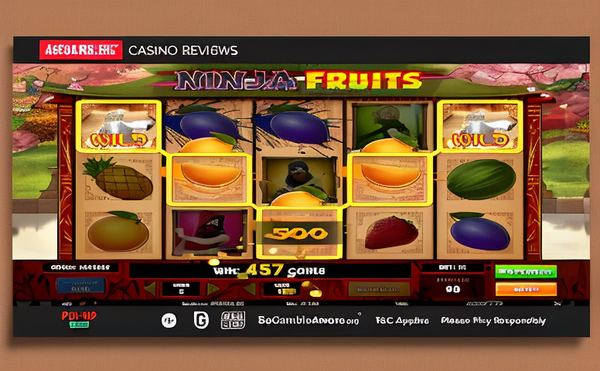
When you hear someone talk about keno rating, they’re usually pointing at a blend of return rate, hit frequency, and how volatile a game is over a long session. Return rate is the percentage of money a game is designed to pay back over millions of spins, but that number alone doesn’t tell you whether you’ll see regular small wins or go cold for ages. Hit frequency matters just as much, because a game that pays out often keeps the session feeling lively, even if the individual payouts are modest. Volatility is the swing factor: high variance games can sit quiet for a stretch and then throw out a bigger hit, while low variance games tend to drip-feed returns.
The way a platform scores its library affects what gets pushed to the front page and what gets buried in the back rows. A transparent operator will show you the key figures upfront, so you can pick a game that matches your bankroll and your patience. If the numbers are hidden behind a wall of marketing copy, that’s a red flag. You’re not just paying for entertainment; you’re paying for a shot at a return, and the score behind the game should be as clear as the rules on a footy ground.Itnews
It’s worth remembering that the maths behind these scores is built into the software from day one. The reels don’t remember your last spin, and they don’t care how much you’ve wagered. What changes is the way the game is presented and the way the operator chooses to rank it. A well-run platform will group games by style and risk profile, so you can find something that suits your mood without having to guess. That’s the practical side of keno rating: it’s a sorting tool that helps you navigate a crowded floor without wasting time on games that don’t fit your play style.
The Floor Design That Keeps You Playing
Step into a busy club and you’ll notice the carpets are loud and busy, partly to keep eyes up on the machines. It’s not an accident. The whole layout is tuned to keep your attention moving, with bright colours, constant chimes, and a floor plan that makes it easy to drift from one game to the next without breaking your rhythm. That design philosophy spills over into online platforms too, where the interface, the animations, and the bonus features all work together to keep you engaged.
The trick is that engagement can tip into overplay if you’re not watching the clock. A good platform will build in clear break prompts, deposit limits, and easy access to support, so the experience stays fun rather than turning into a grind. When you’re comparing sites, look for those safeguards alongside the game scores. A flashy library means little if the operator isn’t helping you keep your play within sensible bounds.
The same logic applies to how games are grouped and promoted. If a site pushes the highest-variance titles right to the top without warning, that’s a sign they’re chasing short-term excitement over long-term fairness. You want a setup where the ratings and the presentation line up, so you can make a call based on what you’re actually comfortable with. That’s where a solid keno rating approach earns its keep, giving you a clearer read on what each game is likely to deliver.
How Australian Clubs and Sites Compare
Australia exports its racing vision to betting markets around the world, and that same attention to detail shows up in how local platforms handle their game libraries. The domestic scene has always been competitive, with clubs, online operators, and state-based regulators all pushing for a product that feels fair and well-run. You’ll see that in the way paytables are displayed, the way bonus terms are written, and the way responsible gambling tools are baked into the experience rather than tacked on as an afterthought.
When you line up the major players, the differences show up in the small print. Some sites lean hard on branded titles and big-name themes, while others focus on a tighter, well-scored library where the numbers are easy to find. A few operators have built a reputation for putting player safeguards front and centre, with clear limit settings, reality checks, and straightforward access to support. That kind of setup tends to attract punters who want a session that stays under control.
If you’re weighing up where to play, it helps to look at how each platform presents its game scores and what it does to keep play responsible. Joe Fortune sits among the leaders of the Australian market in the comparison table, with a library that leans on clear paytables and a focus on keeping the experience straightforward for everyday punters. The site’s approach to game presentation and player tools reflects the broader shift toward transparency that’s become a hallmark of the local scene.
| Platform | Game Library Style | Transparency Focus | Player Tools |
|---|---|---|---|
| Joe Fortune | Clear paytables, mixed volatility | Straightforward bonus terms, visible return info | Deposit limits, session reminders, quick support access |
| Major club-linked sites | Broad mix, strong on branded titles | Varies by operator, some hide details behind marketing | Responsible gambling prompts, but depth varies |
| Niche online operators | Smaller libraries, focused on specific styles | Often detailed on maths, but reach is narrower | Basic safeguards, sometimes limited self-exclusion options |
The table above is a snapshot, not a verdict. What matters is how each operator stacks up on the things you actually care about: clear numbers, fair presentation, and tools that help you keep play in check. A strong keno rating mindset means you’re looking past the glitz and checking whether the platform gives you the info you need to make a sensible call.
Branded Machines and the Cost Behind the Lights
Branded slots pay licensing fees to use famous intellectual property, and that cost has to come from somewhere. The upshot is that those games often carry different return profiles than a plain vanilla pokie, because the operator and the software provider are balancing the licence fee against the player experience. That doesn’t mean a branded game is a bad pick, but it does mean you should check the paytable and the bonus terms before you commit to a session.gold rush slots
The same principle applies across the board: every game has a cost structure behind it, and the way it’s scored reflects that reality. A platform that’s open about its library will let you compare a branded title against a simpler one, so you can decide whether the theme is worth the trade-off. If the numbers are hidden or the bonus conditions are tangled, you’re better off moving on. The point of a solid keno rating approach is to cut through the noise and show you what you’re actually getting.
You’ll also notice that some operators push certain titles harder than others, often because those games fit a particular audience or play style. That’s fine as long as the presentation matches the maths. If a site markets a high-variance game as a steady earner, that’s a mismatch you can spot once you know what to look for. A transparent scorecard helps you separate the marketing from the mechanics, which is exactly what you want when you’re deciding where to put your money.
Reading the Fine Print Without the Headache
Bonus terms are where a lot of punters get caught out, because the headline offer looks generous until you read the wagering requirements and the game restrictions. A fair platform will spell out how much you need to wager, which games count toward the requirement, and whether the bonus applies to the game you actually want to play. If the terms are vague or the restrictions are buried, that’s a sign the operator isn’t keen on clarity.
The same goes for withdrawal rules and verification steps. A smooth process means you can cash out without jumping through endless hoops, and a responsible site will make those steps clear up front. When you’re comparing platforms, look for a setup where the rules are easy to find and easy to understand. That’s part of the broader keno rating mindset: you’re checking whether the operator gives you the full picture before you commit.
It’s also worth checking how the platform handles session limits and reality checks. A good setup will let you set your own boundaries and remind you when you’ve been playing for a while, so the experience stays in your hands. If those tools are hard to find or easy to bypass, that’s a red flag. You want a platform that treats responsible play as a core feature, not a checkbox.
Picking a Platform That Plays Straight
When you’re deciding where to play, the best move is to look for a site that puts the key numbers in front of you and backs them up with solid player tools. A transparent library, clear bonus terms, and easy access to support go a long way toward keeping the experience fair первоисточник and manageable. You’re not looking for a guarantee of a win; you’re looking for a setup where the odds are presented honestly and the safeguards are built in from the start.
A few practical moves can help you stay on the right side of the game:
- Check the paytable and return info before you spin, so you know what the game is built to do over time.
- Read the bonus terms in full, including wagering requirements and game restrictions, before you claim any offer.
- Set deposit and session limits early, and use reality checks to keep your play within a comfortable window.
- Look for platforms that make responsible gambling tools easy to find and hard to bypass, with quick access to support if you need it.
- Compare how different operators present their game scores, and favour sites that show the maths clearly rather than hiding it behind marketing copy.
If you want to see how a specific game performs in practice, you can take a closer look at the mechanics behind titles like the gold rush slots to get a feel for how paytables and bonus features line up. The more you understand the structure of the game, the easier it is to pick something that fits your bankroll and your patience. That’s the practical upside of paying attention to keno rating: it gives you a clearer read on what you’re walking into before you put money on the line.
The local scene keeps evolving, and the operators that stay ahead are the ones that treat transparency and player care as core parts of the product. You’ll see that in the way game libraries are scored, the way bonus terms are written, and the way support is made available when you need it. If you’re after a session that stays fun and under control, look for a platform that shows its workings and backs them up with real tools. That’s the kind of setup that earns a spot on your shortlist, whether you’re playing online or grabbing a quick flutter at the local club.